
Does Laser Hair Removal Work for PCOS Hair Growth?
Does Laser Hair Removal Work for PCOS Hair Growth?
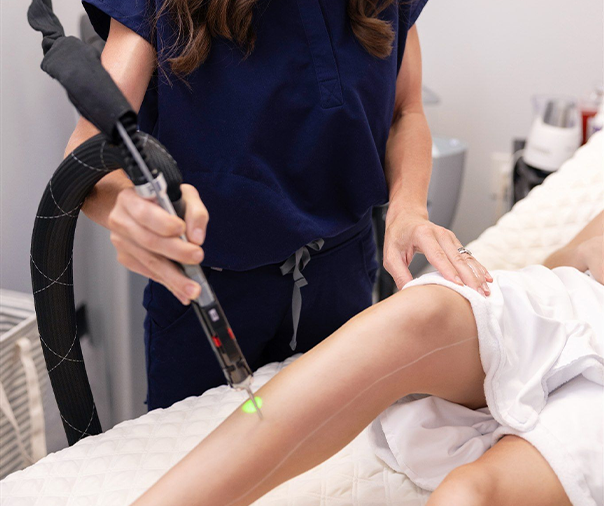
If you have polycystic ovary syndrome (PCOS), unwanted facial or body hair may feel like a problem that never quite stays solved. You shave in the morning and notice stubble again by evening. Waxing may leave your skin irritated. Plucking can become an almost daily routine, particularly along the chin, jawline, neck or upper lip.
Laser hair removal can make PCOS-related hair significantly easier to manage. However, it is important to understand what laser treatment can and cannot, do when hormones are contributing to hair growth.
Laser hair removal does not treat PCOS or eliminate the hormonal signals behind new hair growth. Instead, it targets active hair follicles to reduce the amount, thickness and frequency of unwanted hair. For many women with PCOS, that can mean shaving less often, experiencing less visible stubble and spending far less time managing facial or body hair.
The most accurate way to think about laser hair removal for PCOS is not as a permanent cure, but as one useful tool within a broader PCOS-management plan.
Why Does PCOS Cause Facial and Body Hair?
PCOS is a hormonal and metabolic condition that can affect menstrual cycles, ovulation, fertility, skin, weight and hair growth. One of its most common symptoms is hirsutism, the growth of coarse, dark hair in areas where women more commonly develop fine, lighter hair.
PCOS-related hair frequently appears on the:
- Chin and jawline
- Upper lip
- Neck
- Sideburn area
- Chest
- Abdomen
- Lower back
- Buttocks
- Inner thighs
This happens primarily because PCOS is associated with increased androgen activity. Androgens, including testosterone, are often described as “male hormones,” but women naturally produce them as well. With PCOS, androgen levels may be higher than expected, or the hair follicles may be particularly sensitive to the androgens already present.
When androgen-sensitive follicles are repeatedly exposed to this hormonal signal, soft, fine hairs can gradually become thicker, darker and more noticeable. These are known as terminal hairs.
Insulin resistance, which frequently occurs alongside PCOS, may also contribute. Higher insulin levels can encourage the ovaries to produce more androgens and can reduce a protein that normally binds some testosterone in the bloodstream. This may leave more testosterone available to affect the skin and hair follicles.
This is why PCOS can sometimes produce two seemingly opposite hair concerns at once: increased coarse hair on the face or body and thinning hair on the scalp.
Why PCOS Hair Can Be So Persistent
Shaving, waxing and tweezing remove hair that has already grown, but they do not change the follicle or the hormonal signal affecting it. The hair therefore continues to return.
Even when PCOS is medically managed, existing coarse hairs do not necessarily disappear on their own. Hormonal treatment may help slow the development of new terminal hairs, but hair follicles that have already changed may still require a direct hair-removal method.
This is where laser hair removal can become helpful. Medical management addresses what may be driving the hair growth internally, while laser treatment addresses many of the visible hairs externally.
How Does Laser Hair Removal Work?
Laser hair removal works by delivering controlled energy that is absorbed by pigment in the hair. That energy travels down the hair shaft and damages the follicle’s ability to produce hair.
The laser is most effective when the hair is in its active growth stage. Because only a portion of the hair in any area is actively growing at one time, one treatment cannot reach every target follicle. A series of treatments is necessary to address different follicles as they cycle into the appropriate growth phase.
Over the course of treatment, patients may notice:
- Less hair growing in the treated area
- Slower regrowth
- Finer, softer remaining hair
- Patchier and less dense coverage
- Less frequent shaving or other hair removal
- Reduced irritation from waxing, shaving or plucking
- Fewer bumps and ingrown hairs
The goal is long-term hair reduction, not the promise that every hair will disappear forever.
Does Laser Hair Removal Work Differently When You Have PCOS?
The laser works on the hair follicle in the same way, whether or not someone has PCOS. The difference is that PCOS may continue sending hormonal signals capable of activating additional follicles.
Laser can successfully reduce many of the coarse, pigmented hairs present during treatment. It cannot prevent every previously inactive follicle from responding to hormonal stimulation in the future.
As a result, someone with PCOS may:
- Need more treatments than someone without a hormonal hair-growth condition
- Require closer attention to treatment timing
- See new hairs develop after completing the initial series
- Benefit from periodic maintenance treatments
- Experience better long-term control when PCOS is also medically managed
This does not mean laser hair removal “didn’t work.” If the treated hair becomes substantially less dense, grows more slowly and requires far less daily maintenance, the treatment may still provide a meaningful improvement—even if occasional touch-ups remain necessary.
Will Laser Hair Removal Permanently Remove PCOS Hair?
No responsible provider should promise that laser hair removal will permanently eliminate all PCOS-related hair.
Laser hair removal is more accurately described as long-term hair reduction. Treated follicles may stop producing hair or produce hair that is much finer and less visible. However, hormonal changes can stimulate new growth over time.
Pregnancy, changes in medication, stopping hormonal birth control, menopause, weight changes or shifts in PCOS control may all affect future hair growth. Maintenance treatments can help address these changes.
For a woman who currently shaves her chin every day, success may look like needing to shave only occasionally. For someone who experiences dense abdominal hair, success may mean that the hair becomes sparse, fine and much less noticeable.
The desired result is not necessarily “never seeing another hair.” It is making unwanted hair considerably more manageable.
How Many Laser Hair Removal Treatments Will I Need?
There is no universal number of treatments for PCOS-related hair growth. The appropriate treatment plan depends on:
- The area being treated
- Hair color and thickness
- Skin tone
- Hair density
- The degree of hormonal stimulation
- Whether the PCOS is medically managed
- How consistently treatments are scheduled
- The individual hair-growth cycle
Most patients begin with a series rather than a single session. Someone with PCOS should also enter treatment with the expectation that maintenance may be part of the long-term plan.
Facial hair can be particularly persistent because the face is highly responsive to hormonal changes. Body areas with coarse, dark hair may sometimes respond more predictably.
Your progress should be evaluated throughout the series. The goal is not simply to keep repeating sessions indefinitely, but to assess whether the hair is becoming less dense, finer and slower to return.
What Type of PCOS Hair Responds Best to Laser Treatment?
Laser hair removal generally responds best to coarse, dark or visibly pigmented hair because the laser needs pigment within the hair to absorb its energy.
Very light blonde, white, gray or red hair contains little of the pigment the laser is designed to target and may not respond well. Electrolysis may be a more appropriate option for some light-colored hairs.
Fine facial “peach fuzz” also requires careful evaluation. Laser hair removal should not automatically be performed over every area where hair is visible. Treating hair that is too fine or poorly suited to the device may not provide the desired result.
A knowledgeable consultation is particularly important for facial and neck hair. The provider should evaluate the hair’s color, texture, density and distribution rather than simply treating the entire area.
Is Laser Hair Removal Safe for Darker Skin Tones?
Laser hair removal can be performed safely on a wide range of skin tones when the appropriate technology, settings and treatment technique are used.
This matters for many women with PCOS, including women of South Asian, Middle Eastern, Black, Hispanic or Mediterranean backgrounds who may have both darker skin and coarse, dark hair.
Because the laser is attracted to pigment, treatment must distinguish between pigment in the hair and pigment in the surrounding skin. Proper device selection and conservative, customized settings help reduce the risk of burns, irritation and unwanted pigment changes.
Experience treating your specific skin tone should be part of the conversation, not an afterthought.
Can Laser Hair Removal Help With Ingrown Hairs and Dark Marks?
PCOS-related hair often creates concerns beyond the hair itself.
Frequent shaving, waxing or plucking can contribute to:
- Razor burn
- Ingrown hairs
- Inflamed bumps
- Folliculitis
- Skin picking
- Post-inflammatory hyperpigmentation
- A persistent shadow beneath the skin
By reducing the amount and thickness of the hair, laser treatments may also reduce the repetitive grooming and inflammation that contribute to these problems.
Existing discoloration will not necessarily disappear from laser hair removal alone and may require a separate skincare or treatment plan. However, reducing the cycle of hair growth, removal and inflammation can help prevent the area from being repeatedly re-irritated.
Should I Still Treat My PCOS Medically?
Yes. Laser hair removal addresses unwanted hair; it does not diagnose or treat the underlying hormonal condition.
Depending on your symptoms and health history, PCOS management may involve an OB-GYN, endocrinologist or primary care physician. Treatment can include lifestyle support, hormonal contraception, insulin-sensitizing medication or anti-androgen medication. Not every treatment is appropriate for every patient, and medications should be discussed with your medical provider.
Managing the hormonal component may help slow the development of new coarse hair and support longer-lasting control. Laser hair removal and medical PCOS management are not competing options. They can serve different purposes within the same plan.
If you have not been diagnosed with PCOS but have suddenly developed coarse facial or body hair—especially with irregular periods, acne, scalp hair loss or other hormonal changes—consider speaking with a medical provider before assuming the concern is purely cosmetic.
Can I Pluck or Wax Between Laser Appointments?
You should generally avoid waxing, tweezing or threading during a laser hair removal series. These methods remove the hair from the follicle, leaving the laser without a pigmented target to treat.
Shaving is typically the preferred method between sessions because it removes hair above the skin while leaving the follicle intact. Your provider will give you specific instructions regarding when to shave before an appointment and what products to avoid.
Consistency matters. Frequently plucking facial hair between appointments can make it more difficult to treat the area effectively.
Is Laser Hair Removal Worth It If You Have PCOS?
It can be, provided you begin with realistic expectations.
Laser hair removal may be worthwhile if your goal is to:
- Reduce the daily burden of shaving or plucking
- Make coarse hair less noticeable
- Slow the rate of regrowth
- Decrease bumps and ingrown hairs
- Reduce the visible shadow caused by dense hair beneath the skin
- Feel less dependent on constant hair removal
- Make long-term PCOS hair management easier
It may not be the right treatment if the hair is too light or fine for the laser to target effectively. It is also unlikely to meet your expectations if you are looking for a guaranteed, permanent removal of every hair without any future maintenance.
The best candidates understand that hormonal hair growth often requires a management strategy—not a one-time fix.
Laser Hair Removal for PCOS in Paramus, New Jersey
At Aesthetica, we approach PCOS-related hair growth with honesty and an individualized treatment plan. We evaluate your skin tone, hair color, hair texture, treatment area and history of hormonal hair growth before recommending laser treatment.
Our goal is not to promise that PCOS hair will never return. It is to help reduce the amount of unwanted hair you are managing, slow its regrowth and make the remaining hair less disruptive to your daily life.
For many women with PCOS, that improvement can be meaningful.
Schedule a laser hair removal consultation at our Paramus, New Jersey medspa to find out whether your hair and skin type are appropriate for treatment and what a realistic treatment plan may look like for you.
Book your consultation today and discover what personalized aesthetic care can do for you.
Schedule an appointment with Aesthetica Medspa in Paramus, NJ by using our simple online form. Alternatively, you can also call us at 201-482-1419 to schedule your appointment! Call us or book online today!
Laser hair removal results vary. PCOS is a medical condition and should be evaluated and managed by an appropriate healthcare provider. Laser hair removal does not treat PCOS or guarantee complete or permanent removal of all hair.